Best Time to Visit Taksim: Weather, Crowds & Prices by Season

Taksim sits at the beating heart of modern Istanbul, and it never really sleeps — but the experience of walking down İstiklal Avenue, lounging in a rooftop bar, or catching the sunset from Taksim Square changes dramatically depending on when you show up. If you are trying to decide when to book your flights, this guide breaks down the weather, the crowds, and the prices you can expect in Taksim throughout the year, so you can plan a trip that matches your budget and your patience for crowds.
🌍 Why Taksim's Seasons Matter So Much
Unlike a beach resort where the season is mostly about sun and swimming, Taksim's seasonal shifts affect almost everything: how comfortable it is to walk the hilly streets of nearby Beyoğlu, how packed İstiklal Avenue gets in the evenings, and how much hotels and restaurants charge. Istanbul has a mild Mediterranean-meets-Black Sea climate, meaning no extreme heat or brutal cold, but the difference between a quiet February evening and a jam-packed August night is enormous.
🌷 Spring in Taksim (April to May)
Spring is widely considered the sweet spot for visiting Taksim. Daytime temperatures usually hover in the comfortable mid-teens to low-twenties (Celsius), tulips bloom across the city's parks, and the light is soft for photography. Crowds are moderate — busier than winter but nowhere near the peak summer chaos — which makes it easier to grab a table at a meyhane on a side street or wander through Cihangir without bumping shoulders every few steps.
Prices for flights and accommodation begin to climb from their winter lows in April, especially around religious and public holidays, but they rarely reach summer peaks. If you can travel in early-to-mid May before school holidays elsewhere in Europe kick in, you often get the best combination of pleasant weather and reasonable rates.
☀️ Summer in Taksim (June to August)
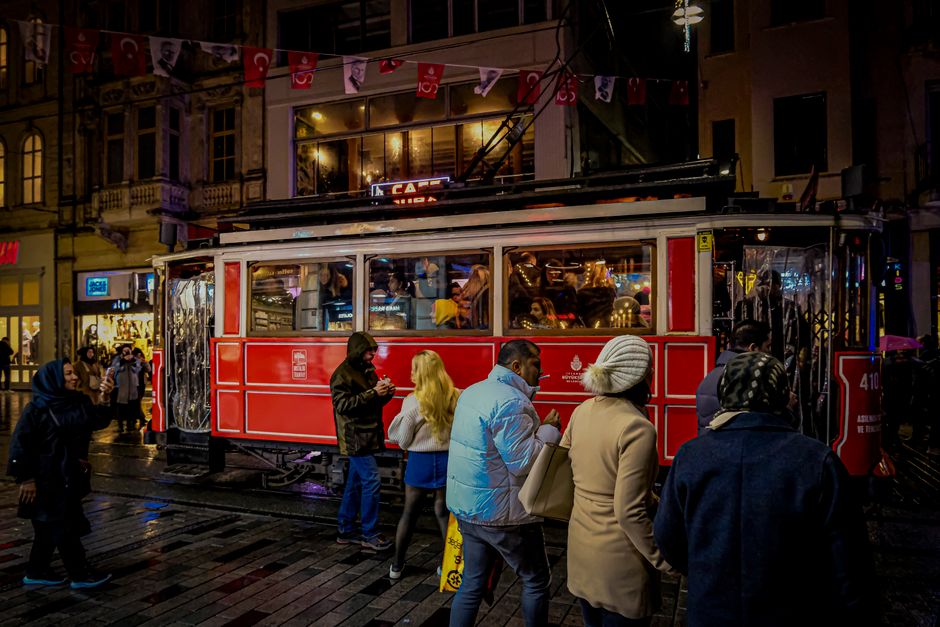
Summer brings warm, dry days, often reaching the high twenties or low thirties, and long evenings that keep İstiklal Avenue buzzing well past midnight. This is peak tourist season, and it shows: rooftop bars fill up fast, restaurants near Taksim Square require reservations, and the pedestrian street can feel shoulder-to-shoulder on weekend nights.
Naturally, this is also when hotel prices and transfer demand hit their highest point. If summer is your only option, consider basing yourself slightly outside the absolute center — areas like Şişli or Cihangir offer easy access to Taksim with a bit more breathing room and sometimes better rates. Booking your airport transfer in advance is especially wise in summer, since both Istanbul Airport and Sabiha Gökçen see their heaviest traffic of the year.
🍂 Autumn in Taksim (September to November)
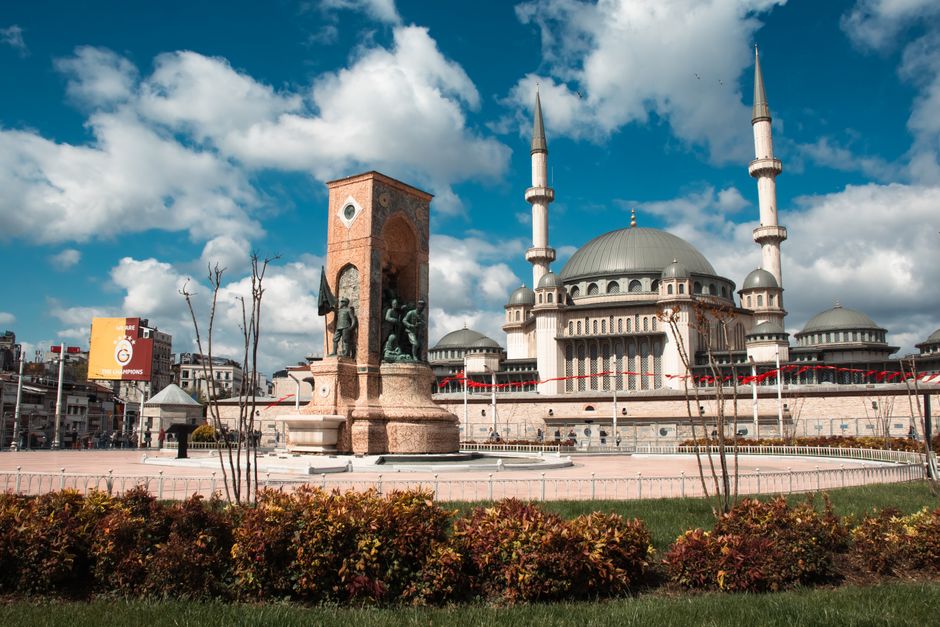
Many seasoned travelers quietly consider autumn even better than spring. September often still feels like summer, with warm days and thinning crowds as the school-holiday rush fades. By October, temperatures ease into the high teens and low twenties, the light turns golden over the Bosphorus, and the city feels noticeably calmer.
Prices start softening again after the summer peak, particularly for hotels, and airport transfers become easier to book on short notice since demand has dropped from its August highs. November can bring the first proper rain showers, so pack a light waterproof jacket, but it's still one of the most rewarding times to explore the historic passages and art galleries tucked around Taksim.
❄️ Winter in Taksim (December to March)
Winter in Taksim is quiet, atmospheric, and often underrated. Temperatures typically sit between 5°C and 10°C, occasional rain or even a light snow dusting is possible, and the crowds on İstiklal Avenue thin out considerably compared to the rest of the year. This is when you'll find the shortest queues for popular restaurants and the most relaxed pace on the streets.
It's also the cheapest season for flights and hotels in most years, aside from a short bump around New Year's Eve when Taksim Square hosts one of the city's biggest countdown celebrations. If you enjoy cozy cafés, steamy glasses of tea, and having more space to yourself while sightseeing, winter is worth serious consideration. Some travelers even pair a Taksim-based winter trip with a snowy day out — the Istanbul - Bursa & Uludağ Tour is a popular way to see snow-capped mountains without straying far from the city.
👥 Crowd Levels Season by Season
Here's a quick way to think about how busy Taksim and İstiklal Avenue feel throughout the year:
- 🥇 Summer (June–August): Peak crowds, especially evenings and weekends.
- 🌤️ Spring (April–May): Moderate crowds, generally comfortable.
- 🍁 Early Autumn (September): Still busy, similar to late summer.
- 🍂 Late Autumn (October–November): Noticeably quieter, pleasant for walking.
- ❄️ Winter (December–March): Quietest overall, aside from New Year's Eve.
💰 Prices: When You'll Pay More (or Less)
As a general pattern, prices for flights, hotels, and even airport transfers in Istanbul rise through spring, peak in mid-to-late summer, ease off in autumn, and hit their lowest point in the depths of winter (excluding the New Year period). If you're flexible, shifting your trip by even two or three weeks — say, from late July to early September — can make a real difference to your overall budget without sacrificing much in terms of weather.
🚕 Getting to Taksim Whatever the Season
Whichever time of year you choose, getting from the airport to your hotel smoothly is one less thing to worry about. Taksim sits within easy reach of both Istanbul Airport (IST) and Sabiha Gökçen (SAW), but travel times can stretch considerably during summer traffic or rainy winter rush hours, so pre-booking a private transfer is generally a safer bet than relying on last-minute taxis, especially late at night after a long flight.
If your hotel is closer to the waterfront, transfers to nearby districts like Beşiktaş or Karaköy follow similar seasonal patterns, so the timing advice here applies just as well if you end up staying a short walk from Taksim rather than right in the square.
🧭 Our Verdict on the Best Time to Visit
If you want lively energy and don't mind crowds, summer delivers the full İstiklal Avenue experience at its busiest and most expensive. If you'd rather enjoy pleasant weather with fewer people and more reasonable prices, aim for May or October. And if budget and tranquility matter most, a winter visit (avoiding New Year's week) rewards you with a calmer, more local-feeling Taksim. There's genuinely no wrong season to visit — just different flavors of the same unforgettable neighborhood.
Frequently Asked Questions
What is the overall best time to visit Taksim?
Most travelers find spring (April–May) and autumn (September–November) offer the best balance of pleasant weather, manageable crowds, and moderate prices. Summer is liveliest but busiest and priciest, while winter is quietest and cheapest aside from the New Year period.
Does it snow in Taksim in winter?
Yes, temperatures in Taksim can occasionally dip low enough for a light dusting of snow between December and February, though it rarely lasts long. Rainfall is more common than heavy snow, so a warm waterproof coat is generally more useful than snow gear.
When are hotel and flight prices highest around Taksim?
July and August, along with the week around New Year's Eve, tend to see the highest hotel and flight prices due to peak tourist demand and holiday celebrations. Booking well in advance during these periods is strongly recommended.
How does the season affect the airport transfer to Taksim?
Traffic conditions can vary noticeably by season, with summer evenings and rainy winter rush hours often causing the longest delays between the airports and Taksim. Booking a private airport transfer in advance helps you avoid last-minute taxi searches and keeps your journey predictable regardless of the season.


